 Measures for Self-Care
- Don't eat solid foods; don't drink milk.
- Drink only clear liquids (such as clear soups or coconut water). Take small sips; i.e., drink only one to two ounces at a time. Suck on ice chips if nothing else will stay down.
- After you stop vomiting, continue with clear liquids. Gradually return to regular diet, but wait about 8 hours from the last time you vomited to eat solid foods. Start with foods that are easy to digest.
- Don't smoke, don't drink alcohol, and don't take aspirin.
Call Your Doctor for- Very severe stomach pain, which lasts for more than two hours.
- Yellow looking skin or if the whites or the eyes appear yellow.
- Vomiting which lasts for more than 12 hours (two to six hours for a small child) without subsiding.
Get Immediate Care for- Vomiting caused by a serious head injury.
- Vomiting accompanied a stiff neck, fever, headache, and lethargy.
- Vomiting which is black or bloody.
- Dehydration (symptoms: very little or no urine, extreme thirst; and lightheadedness; dry skin that doesn't spring back after being pinched; sunken eyes; and confusion). Vomiting occurring after a mild blow or injury to the head.

- Mix one-fourth teaspoon of salt in half a cup of warm water. Gargle every few hours with this mixture, preparing it afresh each time.
- Drink plenty of warm liquids, such as tea and soup.
- Don't smoke at all.
- Avoid eating spicy or hot foods.
- Suck on a medicated lozenge frequently.
- Take an over-the-counter medicine for relieving the pain and/or fever.
Call your doctor for - Sore throat that occurs along with: fever; swollen, enlarged neck glands; headache; chest, or ear pain; bad breath; skin rashes; abdominal pain; vomiting; or discharge of dark urine.
- The back of the throat turning very red or developing white spots.
- A mild sore throat that lasts for more than two weeks.
Get Immediate Care for - Extreme difficulty while breathing or if the lips turn purple.
- Inability to swallow your own saliva.

Symptoms Back pain can be sharp, dull, acute, or chronic. Measures for Self-Care - Take an over-the-counter medicine for relieving the pain, if needed.
- For the first 48 hours, apply a cold pack to the pain-afflicted area. Do this for five to ten minutes at a time, several times a day.
- After 48 hours, apply heat (e.g., hot water bottle, hot shower), several times a day. - Continue your regular activities to the extent possible. Rest your back if you must, but don't remain in bed for more than 2 to 3 days, even if your back hurts a lot.
Call your doctor for- Pain that spreads down the legs and below the knee.
- Pain that is very intense, or has lasted five days or more.
- Increased pain when you move, cough, sneeze, lift something, or strain.
- Loss of control over bladder or bowel.
- Sensation of pain, burning, or itching when you pass urine, or if urine turns bloody or cloudy.
- Fever or vomiting.
Get Immediate Care for - Any serious injury affecting the neck, spine, or back.
- The onset of pain being sudden and starting with a "cracking" sound.
- Back pain accompanied by difficulty in breathing and lightheadedness.

Heartburn - Measures for Self-Care
Symptoms Pain or a burning in the chest after eating and/or after bending over or lying down. Also, belching and a burning feeling in the throat.
Measures for Self-Care - Sit straight while eating. Sit up, stand up or walk after you have eaten. Don't lie down!
- If heartburn bothers you at night, raise the head of the bed by 6 inches.
- Shed some kilos if are overweight.
- Don't wear tight-fitting clothes.
- Eat small quantities. Limit your intake of alcohol.
- Limit the consumption of foods and beverages that contain gas, such as potatoes and such as soft drinks.
- Don't eat or drink anything two to three hours before bedtime.
- Antacids, such as Tums, can help relieve heartburn.
- Don't smoke at all.
- If you have to take medicines such as aspirin, ibuprofen, naproxen sodium, or medicines for arthritis, take them along with food.
Call your doctor for - Stools that are tar-like and black in colours.
- Pain that goes through to your back or gripping pain in the upper abdomen.
- Difficulty in swallowing.
- Heartburn that occurs frequently.
Get Immediate Care for - Heartburn accompanied by a tightness or pain in the chest which spreads to the neck, jaw, or arm; a feeling of discomfort in the chest with sweating or shortness of breath, nausea and/or vomiting or uneven pulse or heartbeart.
- Heartburn leading to vomiting blood or what looks like coffee grounds.

- Take an over-the-counter medicine for reducing the pain as soon as possible. Don't wait for the pain to become worse!
- Rest in a quiet, dark room with your eyes closed.
- Massage the base of your head with your thumbs.
- Take a warm bath or shower.
- Place a cold or warm washcloth, whichever feels better, over the area that aches. Or else, place an ice pack on the back or the top of the head.
- Try to relax. Meditation and yoga can help.
Call Your Doctor for - Headaches that occur at the same time of day, week, or mouth.
- A headache that starts after taking a newly prescribed medicine or an over-the-counter medicine.
Get Immediate Care for - A serious head injury or loss of consciousness.
- A headache accompanied by pain in one eye, blurred vision, double vision, slurring of speech, mental confusion, personality change, or difficulty in moving arms or legs.
- A headache along with a stiff neck, fever, lethargy nausea and vomiting.
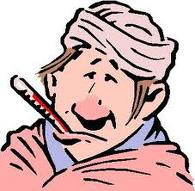
Elevated body temperature, usually over 100° F (by way of mouth) or over 101° F (by way of rectum). Measures for Self-Care- Consume plenty of fluids.
- Take a sponge bath with warm water.
- Take an over-the-counter medicine (paracetamol) to reduce the fever.
- Don't wear too many clothes or cover yourself with too many blankets.
Call Your Doctor for- Fever that is accompanied by: ear pain; sore throat; vomiting; diarrhea; abdominal pain; burning urinary pain, skin rashes or skin that has turned red and swollen or developed areas of pus.
- Fever that occurs in a baby less than six months old.
Get Immediate Care for- Fever that occurs with rapid heartbeat, confusion, disorientation and loss of consciousness.
- Fever with stiff neck, headache, lethargy, nausea and vomiting.
- Fever accompanied by lightheadedness and shortness of breath

Diarrhea - Measures for Self-Care
Watery, loose bowel movements passed many times a day. Measures for Self-Care- Drink plenty of liquids; for example, lime juice, lassi (whipped up curds or buttermilk with salt or sugar), fruit juice and soft drinks (after releasing the fizz).
- Try an over-the-counter medication, such as Imodium or Lomotil, if your condition does not improve even after 12 hours. You may need to take a tablet after each bowel movement.
- Once the diarrhea has subsided, you can eat small amounts of soft foods, such as cooked potatoes, yogurt (curds) and rice.
- If a small child (less than three years old) has diarrhoea, then start him on oral rehydration therapy. You can use rice kanji, the ORS solution available at the chemist's, or make it up at home yourself (by adding eight teaspoons of sugar and a half a teaspoon of salt to a litre of water). Continue breastfeeding (or his regular food) - don't starve him!
Call Your Doctor for - Diarrhea that has lasted 48 hours or more.
- Diarrhea which entails bowel movements more than eight times a day in an infant or a chronically ill person.
- Diarrhea that has started only after taking medication (s).
Get Immediate Care for- Dehydration (symptoms: passing very little or no urine, being very thirsty and lightheaded, dry skin that doesn't spring back after being pinched, sunken eyes, and disorientation).
- Severe abdominal or rectal pain or blood in the stool.

Symptoms: Sneezing, runny or stuffy nose, sore throat, dry cough, low-grade fever. Self-Care Measures - Take adequate rest if you have a fever.
- Drink lots of liquids. Take an over- the -counter medicine (paracetamol and/ or aspirin) for relieving pain and/or fever.
- Use salt water drops for nasal de-congestion. The procedure is as follows: Dissolve half a teaspoon of salt in one cup of warm water and put three to four drops into each nostril several times a day, using a clean medicine dropper.
- Use a vaporizer or a humidifier, if possible.
- Eat hot and spicy foods, which help in draining the mucus.
Call Your Doctor for - Quick breathing, troubled breathing or wheezing
- A feeling of weakness or with loss of energy along with delirium
- A bad earache or swollen, painful neck glands - Fever lasting more than three to four days or over 102° F.
- A sore throat that looks red or has white spots.
- A cough that brings up sputum of any color.
- Pain or swelling over your sinuses.

