
- Maintain normal daily activities as best as you can.
- Stay in touch with friends and family.
- Continue to pursue the hobbies you enjoy without overexerting yourself.
If your illness impairs your ability to perform activities that you enjoy, check with your doctor about possible ways to get around the obstacles. Keep in mind that your physical health can directly impact your mental health. Men may feel guilty about not being able to work, perform sexually, or provide for the family, while women may feel guilty about not being able to care for children or the husband. Negative emotions such as denial, anger and frustration are not uncommon when you learn life has dealt you something painful and unexpected. In addition, many chronic illness are associated with an increased risk of depression. Such a state of affairs does not mean a 'failure to cope' but may indicate a disruption in the body's neurochemistry. Such as disruption can be rectified by appropriate medical treatment.
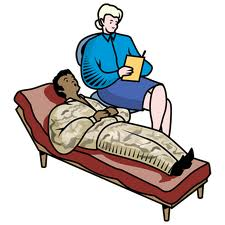
At times, you may need more "tools" to deal with these negative emotions. Professionals, such as psychotherapists or psychologists, can help you put things in perspective. They can also teach you coping skills, including relaxation techniques, that may be helpful. Sometimes, a support group is the best answer. Again. your doctor is the ideal person to suggest the best course in your specific case.
Adjustments need to be made to your daily routine to take control over chronic illness. These include:
Taking medications regularly : Follow your doctor's instructions carefully on how and when to take your medications. Stay in close contact with your doctor, especially when you start taking a new medicine, so that you can let him know how your symptoms are affected and what side effects you experience.
Eating properly : Depending on your illness, you may need to avoid some types of food and incorporate others in your diet. In addition, consult your doctor about determining a healthful weight and ways to achieve that objective.
Exercising regularly : Appropriate exercise, as prescribed by your doctor, is a vital tool in managing chronic illness. Regular exercise can improve your strength and energy levels, as well as self-confidence. Such activity can also play a role in lessening the anxiety and depression, which is often associated with a chronic illness.
 Attitude by itself cannot cure a chronic illness, but cultivating a positive outlook and learning self-management techniques can make it much easier to live with. No matter what the ailment, confidence and determination will help you to maximize your health.
 Another useful information tool both for you and your doctor is a medical diary. In this diary, keep track of your visits to the doctor, noting down meticulously when and why. In addition, maintain a list of treatments undertaken, along with the following details: side effects; copies of your test results; and a record of symptoms, their severity and possible triggers. This diary will not only serve as a useful record of your illness, but will also provide your doctor with valuable diagnostic clues, which may help him to tailoring your treatment appropriately. Many people also find that the very act of recording their feelings and emotions in a different section of the diary can be therapeutic as well, as it allows them to ventilate your feelings!

Many factors can affect the course of a chronic illness, including heredity, lifestyle (e.g., stress, diet, exercise) and even environment. As a result, it's difficult to predict how you may feel from one day to another. The process of living well despite suffering from a chronic illness begins with understanding your illness. What you know about your condition can make a vast difference to how you approach each day. You can start by collecting information about our illness - and remember that there is a wealth of information out there !
Most people are familiar with acute illness, such as appendicitis, typhoid fever or pneumonia, which comes on suddenly and often has an identifiable cause. Generally, such an illness is treatable. Often the individual regains normal health, and usually does not remain sick very long. On the other hand, a chronic illness often begins gradually and may have several causes. Also, rarely is a chronic illness cured, and it usually persists for an indefinite period of time. Diabetes, heart disease and arthritis are examples of chronic illness. Many factors can affect the course of a chronic illness, including heredity, lifestyle (e.g., stress, diet, exercise) and even environment. As a result, it's difficult to predict how you may feel from one day to another.
 Illness is the night side of life - -Sontag
In some ways, living with chronic illness is very much like being trapped in a maze - you're never quite certain what lies ahead of you; so, it's easy to lose your perspective. You wander the same path over and over again - totally lost and bewildered. You appear to be alone with no one to show you the way out. There are many questions, but few answers. Which is the most effective treatment ? Who are the best doctors ? What options can be utilized so that the way out can be found ? You need to find your own path, and confronting your illness is a process that must be worked through . This process takes time and effort. If you live with a chronic condition, how you view the path you're on and decide to manage your day-to-day situations can greatly affect your quality of your life.
